


Motion as strategy: designing experiences that move users to act.
Introduction
Motion design isn’t about adding flair for the sake of it—it’s a powerful communication tool that, when used strategically, shapes how users engage with a brand. Animation can highlight a call-to-action, guide the eye through a journey, and even help users understand complex concepts without reading a single line of text. In the digital space, attention is currency, and motion design helps capture and direct that attention where it matters most.
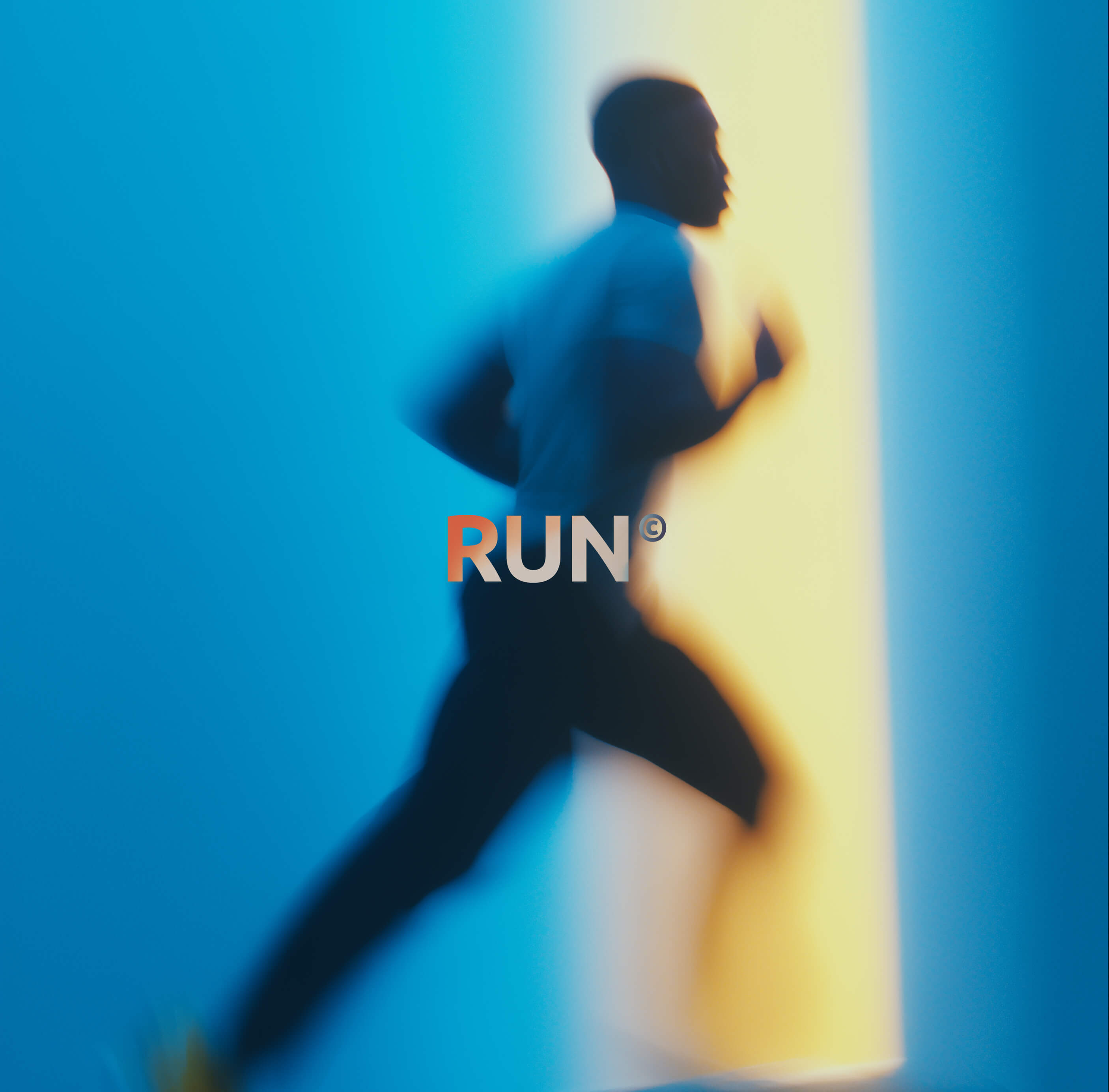
Modern brands are no longer judged only by their visuals, but by how those visuals behave. An interface that feels alive responds to human instinct—acknowledging actions, signaling progress, and creating a rhythm that keeps the user moving forward. Purposeful animation can make this happen while reinforcing a brand’s tone, whether that’s energetic, elegant, or playful.
Image caption goes here
In Webflow, motion design is no longer an afterthought. Its built-in animation and interaction tools allow teams to prototype and implement complex transitions directly in the browser. This means testing can happen in real time, allowing agencies like Prompt to fine-tune timing, easing, and sequencing so animations feel natural and intentional.
Effective motion follows three principles:
- Clarity: It helps explain or emphasize something, like showing where a new element appears or confirming an action.
- Relevance: The style of animation matches the brand personality and user expectations.
- Efficiency: Motion should never slow the user down—it should guide them seamlessly to the next step.
Beyond guiding attention, animation can increase user confidence. For example, an e-commerce checkout button that subtly animates when clicked reassures the user that their action has been received. Microanimations can also provide context—such as loading bars that make waiting less frustrating or hover states that signal interactiveness.
Driving business outcomes
When integrated strategically, motion design improves usability metrics, increases engagement, and can even lift conversion rates. Animated storytelling on landing pages can create emotional connections, making visitors more likely to take action. Interactive infographics, animated charts, or scroll-triggered reveals can turn otherwise static data into experiences users want to explore.
At Prompt, we approach motion design as part of the UX process, not as decoration. It’s planned during wireframing, refined in high-fidelity prototypes, and validated through user testing to ensure it enhances rather than distracts.
Conclusion
Purposeful motion makes digital experiences memorable. It doesn’t just look good—it improves clarity, strengthens brand identity, and encourages users to take the next step. In a world competing for attention, motion design isn’t optional—it’s a strategic necessity.
More insights